
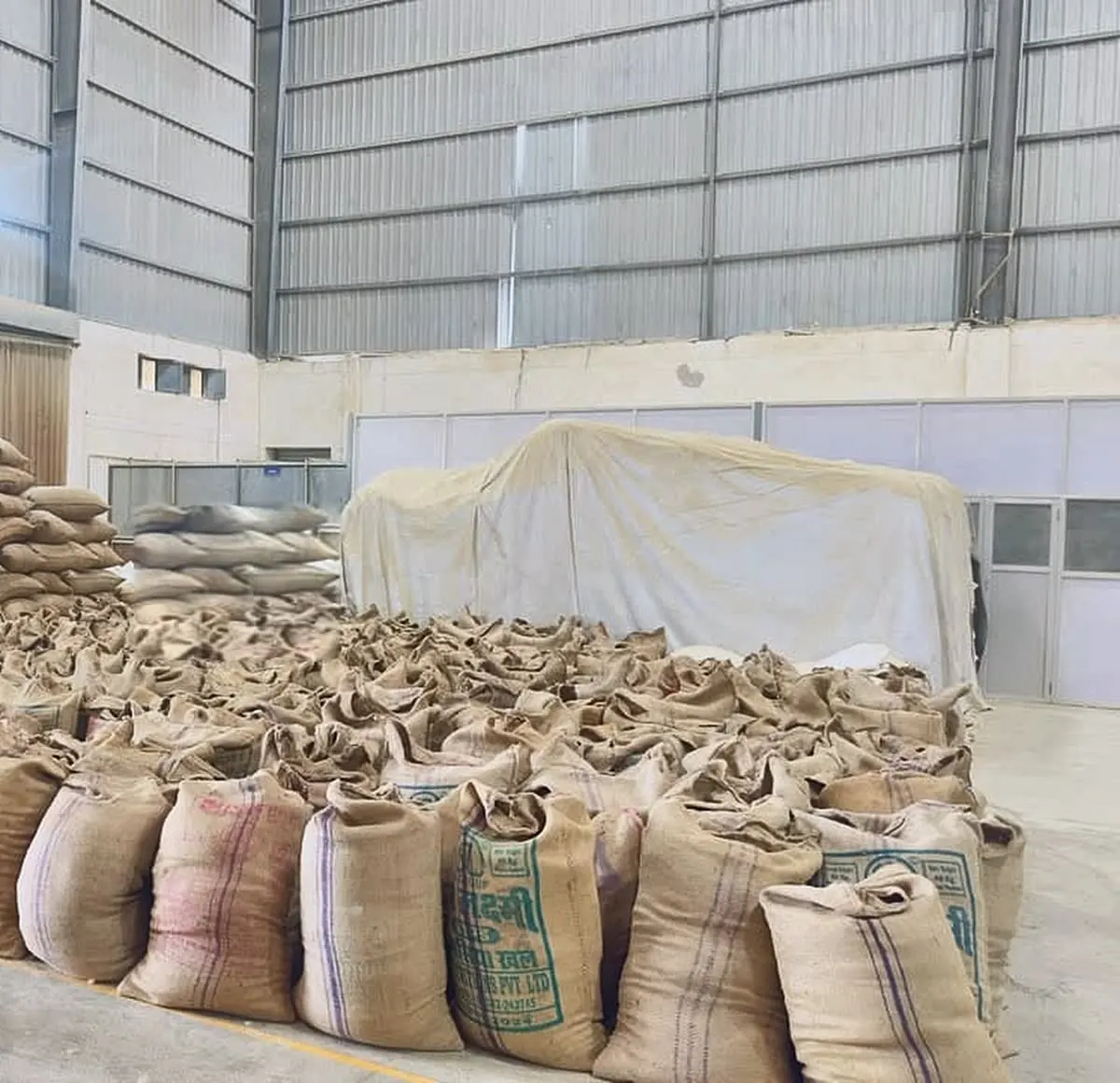
A spec sheet tells you what the seller is aiming for, and the lab report tells you what's in the bag. Here is what to look at, in the order we'd check it.
Start with the report itself
- Who tested it. The lab should be NABL-accredited in India, or accredited by an equivalent body. Accreditation covers specific tests, so check that the scope includes the tests on your report.
- Which lot. The sample ID or lot number should match your contract and the bag marking. A report with no lot number could belong to any cumin.
- When. The test date should be recent and fit your shipment. A report from months before shipping tells you little about seed that has been in storage since.
- Who drew the sample. Most reports are on a sample the seller sent in. If you want more certainty, ask for an inspection agency to draw it.
Physical results
- Purity and admixture should match the grade you're buying, for example 99.5% min and 0.5% max for Europe grade.
- Moisture should be 8% or below on our sheet. Wetter seed is more likely to grow mould in transit.
- Volatile oil is where cumin's flavour comes from. Look for 2.5 ml/100 g or more. It falls slowly in storage, so old-crop seed tests lower.
Ash
Total ash measures the mineral content. Acid insoluble ash is the part to watch, because it's mostly sand and soil. A high figure usually means the seed wasn't cleaned well, even if purity looks fine.
Pesticide residue
Residue is a common reason spice shipments are held at EU borders, so read this part carefully.
- Check how many compounds were screened. A multi-residue screen covers a long list. A report that just says "complies" without listing anything tells you very little.
- Compare each result with the maximum residue limit (MRL) for your market, not just the seller's spec.
- "Not detected" or "<LOQ" means the amount was below what the lab can measure. Check that the lab's limit of quantification is below your MRL.
Aflatoxin
Aflatoxin comes from mould on seed kept warm and damp. The report should give B1 and total aflatoxin separately. Our limits are 5 ppb and 10 ppb.
Microbiology
- Salmonella should read "absent in 25 g". Any detection is a fail.
- E. coli, total plate count and yeast and mould are given in cfu/g. Check them against your own limits. High counts on whole seed often point to how it was dried and stored.
Warning signs
- No lot number, or a lot number that doesn't match the bags.
- Residue reported as "complies" with no list of compounds.
- A lab that isn't accredited for the tests shown.
- A report that's much older than the shipment.
What we do
Every lot we sell goes to a third-party NABL-accredited lab before we pack it. The report has the lot number on it and goes to you with the sample, and again with the shipping documents. If you'd like your own lab or an inspection agency, tell us when you enquire.